At-home beauty devices, infusion devices, and professional salon treatments: A comparison of boundaries
Have you bought a home beauty device and used it consistently for two or three months, only to find the anti-aging results underwhelming—or worse, your skin prone to redness? Or perhaps you’ve spent a fortune on professional salon treatments, but without proper follow-up at home, your skin reverts to its previous state in less than two weeks. The root cause often lies in failing to distinguish the specific roles and limitations of these three approaches. This article first outlines the underlying principles, provides a comparison chart of their respective scopes, and finally addresses common misconceptions and the best paths for your skincare routine.
The underlying logic of three types of skincare interventions
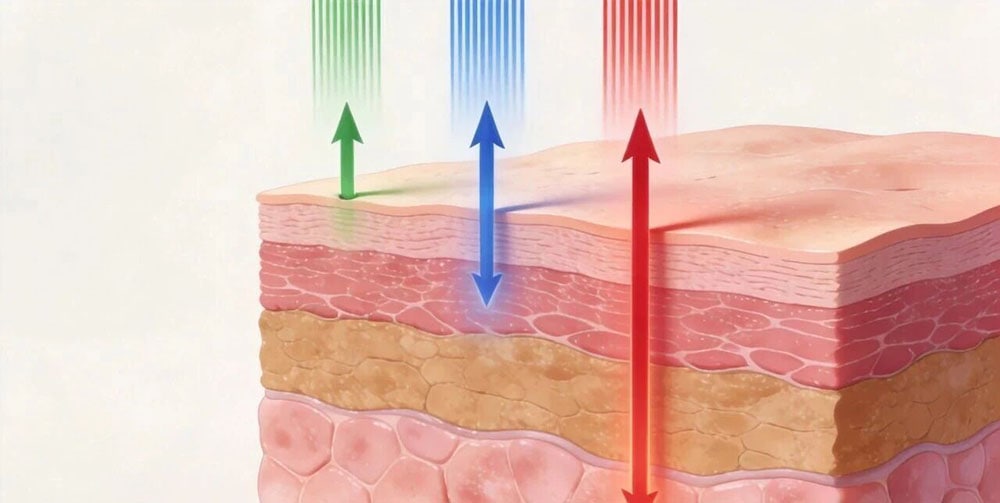
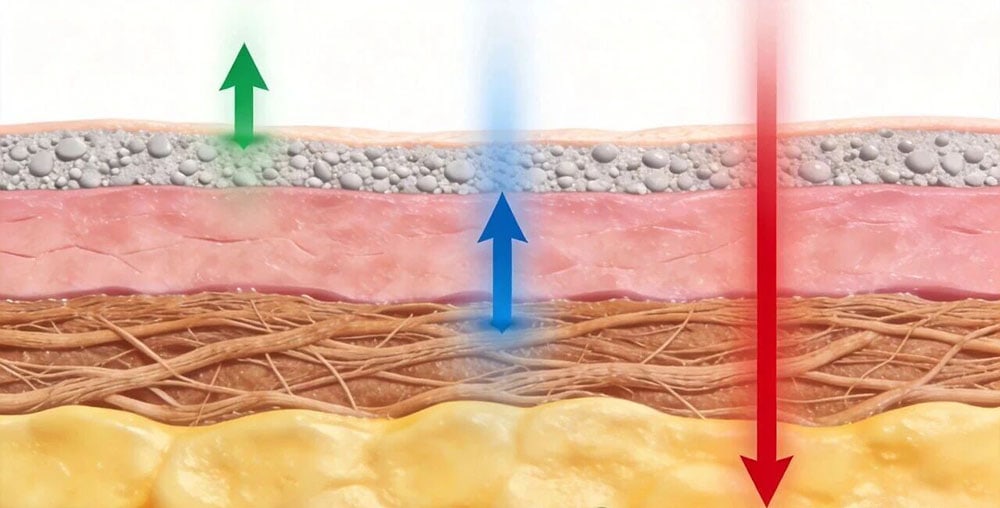
The core difference among these three types of interventions lies in the energy thresholds established by regulators; none serves as a complete substitute for another. Home-use infusion devices generally operate at lower energy levels, primarily opening the gaps in the stratum corneum to enhance skincare product penetration; they typically do not reach the dermis, posing a low risk of injury. Most home-use beauty devices are compliant consumer products with strictly capped energy limits; they mostly target the epidermis and the superficial dermis, making them relatively safe for self-administration. In contrast, equipment used in professional settings—whether in aesthetic salons or medical institutions—is subject to higher energy standards; some procedures reach the deep dermis and require operation by certified professionals.
Comparison Chart: Home-Use Beauty Devices, Infusion Devices, and Professional Salon Treatments
The following dimensions are based on publicly available compliance information for home-use beauty products, as well as common dermatological consensus regarding multi-layered skincare.
Even when set to their highest modes, home devices typically fail to match the depth and intensity of professional clinical-grade treatments.
|
Comparison Dimension |
Household Infusion Device | Household Beauty Device | Professional Salon Treatment |
| Working Depth | Mainly acts on intercellular spaces of the stratum corneum, focusing on the superficial skin layer | Most models cover from epidermis to superficial dermis | Daily beauty treatments work on shallow to medium skin layers;Medical-grade treatments penetrate deeper, depending on specific projects |
| Single Session Duration | About 5–10 minutes | About 10–20 minutes | About 30–90 minutes |
| Usage Interval Cycle | Can be used frequently with daily skincare routines | Most recommended 1–3 times per week | Daily beauty treatments: once every 1–2 weeks;Medical-grade treatments: follow doctor’s instructions strictly |
| Achievable Effects | Boost skincare product absorption; improve superficial dryness and dull complexion | Regular long-term use helps relieve fine lines and mild sagging | Targets deep skin issues including moderate to severe sagging, stubborn pigmentation and acne scars |
| Contraindications | Forbidden on broken skin or during acute allergic flare-ups | Forbidden for severely damaged skin barrier, pregnancy, and active herpes outbreaks |
Inform practitioners in advance if you have acute inflammation, coagulation disorders or are pregnant |
Common Cognitive Misconceptions
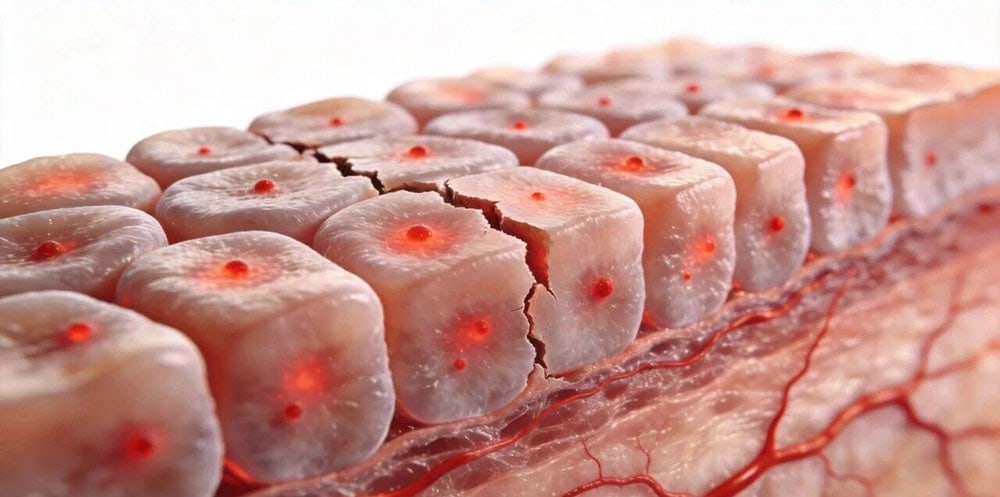
Misconception 1: Treating high-power home devices as direct substitutes for professional clinical treatments. Some marketing deliberately draws comparisons to clinical procedures, encouraging users to ramp up usage frequency and intensity settings; this can easily cause sub-clinical damage to the epidermis. Initially, this might manifest merely as redness during seasonal transitions, but long-term use can compromise the skin barrier’s resilience.
Misconception 2: Indiscriminately layering multiple types of treatments. For example, immediately applying high-concentration serums after a professional deep-cleansing treatment, followed by using an RF device at the highest setting the next day, leaves the skin no time to recover. This often leads to persistent redness, stinging sensations, and poor product absorption.
Misconception 3: Expecting home devices to fully replace professional treatments for issues like deep static wrinkles, pronounced acne scars, or dermal pigmentation. The energy levels of home devices generally cannot reach the necessary depths to address these concerns, so even with consistent use, significant improvement is unlikely.
Personalized Selection Path
For the average person, the selection process involves three steps: verifying skin tolerance, matching the device to specific needs, and adhering to safe usage intervals.
- First, assess skin tolerance: use only a gentle moisturizer for three consecutive days; if there is no redness or stinging, you can try using a device. If any discomfort arises, pause device use and stick to basic moisturizing.
- Match the device type to your needs: for simply boosting product absorption or addressing surface dryness, choose an infusion device; for mild issues like fine lines caused by dryness, puffiness, or skin laxity, opt for a certified home beauty device; for stubborn concerns, seek professional treatments at a certified clinic.
- Observe safe intervals: do not use home devices within 72 hours of a professional clinical treatment; after using a home beauty device, it is not recommended to apply high-concentration active serums or use infusion functions within the following 24 hours.

Leave a comment